
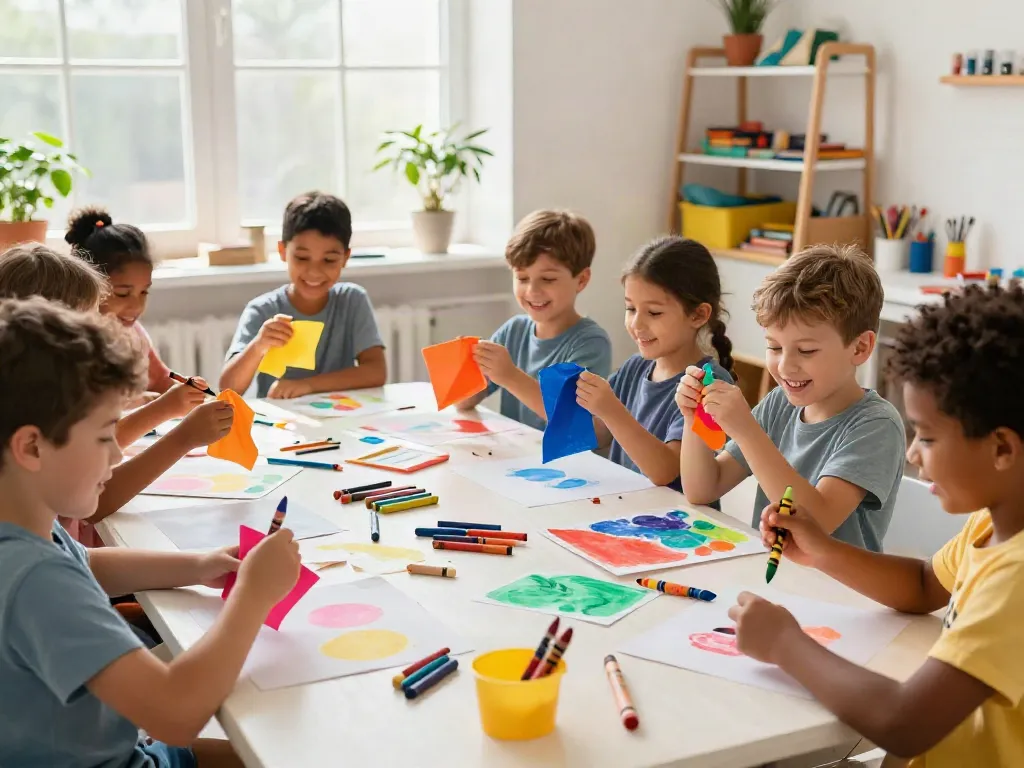
Understanding the Crayon Manufacturing Industry
The crayon manufacturing industry plays a crucial role in providing high-quality, safe, and innovative products that cater to both children and artists alike. With a history dating back to the 19th century, crayons have evolved significantly, and today’s consumers demand more than just basic coloring tools. Selecting a reliable crayon manufacturer involves knowing various factors, from the types of crayons available to the standards these manufacturers adhere to, ensuring they meet contemporary market needs.
What Defines a Leading Crayon Manufacturer?
A leading crayon manufacturer demonstrates excellence in multiple areas, including product safety, variety, and market trends. These companies invest in research and development to create new products that align with consumer preferences. Additionally, they maintain rigorous quality control processes to ensure their crayons are non-toxic and safe for children. The best manufacturers also focus on sustainability, using eco-friendly materials in their production processes, which resonates with environmentally conscious consumers.
Common Types of Crayons and Their Applications
Understanding the different types of crayons available is essential for both manufacturers and consumers. Here are the most common types:
- Wax Crayons: These are the traditional crayons that are affordable and widely used in schools.
- Plastic Crayons: These crayons can be molded into various shapes, making them visually appealing and unique.
- Fabric Crayons: Ideal for artistic endeavors on fabric, these crayons are washable and fade-resistant, allowing for permanent designs.
- Beeswax Crayons: Made from natural beeswax, these are more environmentally friendly and often favored by parents seeking non-toxic options for their children.
Challenges Faced by Crayon Manufacturers
Despite the colorful appeal of crayons, manufacturers in this sector face several challenges that affect their operations and product quality.
Quality Control Issues in Crayon Production
Quality control is paramount in crayon production. Inconsistent product quality can lead to customer dissatisfaction and safety concerns, particularly for products aimed at children. Manufacturers must implement comprehensive testing protocols to ensure that their products meet safety standards and perform as expected.
Regulations Impacting Crayon Manufacturing
The crayon manufacturing industry is subject to various regulations concerning safety, production practices, and materials used. Manufacturers must stay updated with local and international regulations to ensure compliance, which can be challenging given the fast-paced nature of regulatory changes.
Environmental Concerns and Sustainability Practices
As consumers become more environmentally aware, the demand for sustainable products increases. Crayon manufacturers must explore eco-friendly materials and sustainable production methods to appeal to this growing market segment. This includes using non-toxic ingredients and reducing waste in the manufacturing process.
Best Practices for Crayon Manufacturers
To remain competitive and compliant in the crayon industry, manufacturers are adopting several best practices that ensure product quality and enhance consumer satisfaction.
Ensuring Product Quality and Safety Standards
Prioritizing product quality and safety is essential for any crayon manufacturer. Regular audits, rigorous testing, and adherence to safety certifications, such as ASTM D-4236 for art materials, can help ensure that the crayons produced are safe for children. Manufacturers should also keep detailed records of their production processes to facilitate traceability and accountability.
Innovative Techniques in Crayon Production
With advancements in technology, innovative techniques such as extrusion and injection molding for crayon production have emerged. These methods allow manufacturers to create more complex shapes and designs, appealing to new demographic segments, including teenagers and adult hobbyists.
Marketing Strategies that Resonate with Consumers
Effective marketing strategies are vital for crayon manufacturers. Highlighting product features such as eco-friendliness, unique shapes, and multi-functional uses can attract a broader audience. Utilizing social media platforms for engaging storytelling and user-generated content can also enhance brand visibility and loyalty.
Building a Strong Brand as a Crayon Manufacturer
Creating a recognizable brand in the crowded crayon market requires strategic branding and marketing efforts.
Brand Messaging that Captures Attention
Crafting a compelling brand message that communicates the distinct value of your products is crucial. Highlighting transparency in sourcing materials, commitment to safety, and dedication to sustainability can differentiate a brand from competitors.
Utilizing Social Media for Brand Engagement
The digital age has transformed the way brands communicate with consumers. Crayon manufacturers can use social media platforms to showcase their products through engaging content, tutorials, and interactive campaigns that encourage user participation and feedback.
Collaborations with Educational Institutions and NGOs
Collaborating with schools, educational institutions, and NGOs can elevate a crayon manufacturer’s brand. Such partnerships can promote initiatives like art programs, providing free materials for educational purposes and enhancing community engagement.
The Future of Crayon Manufacturing
As the crayon manufacturing industry evolves, several trends and predictions can help shape its future direction.
Predictions for Industry Growth and Opportunities
The global crayons market is expected to grow significantly by 2026, driven by an increase in children's art programs and adult coloring book popularity. Manufacturers who adapt to changing consumer preferences will likely capitalize on these growth opportunities.
Emerging Technologies in Crayon Production
Emerging technologies, including 3D printing, are set to revolutionize crayon design and production. This innovation allows for the customization of crayons according to individual consumer preferences, increasing engagement and sales potential.
Preparing for the Demand of Eco-Friendly Products in 2026
As demand for eco-friendly products continues to escalate, crayon manufacturers must proactively adapt their production processes. Investing in biodegradable materials and sustainable sourcing will be key to meeting consumer expectations and regulatory requirements moving forward.
What are the most popular crayon brands?
Some of the most recognized crayon brands include Crayola, Prang, and Sargent Art, each known for their commitment to quality and innovation.
Which companies make crayons in the USA?
In the United States, Crayola is the most prominent crayon manufacturer, but others, such as Prang and ColArt, also contribute significantly to the market.
How do beeswax crayons differ from traditional crayons?
Beeswax crayons are made from natural beeswax and are often considered more environmentally friendly and non-toxic compared to traditional wax crayons, which may contain synthetic materials.
What should you consider when choosing a crayon manufacturer?
When selecting a crayon manufacturer, consider factors such as product range, safety certifications, sustainability practices, and the ability to meet your specific requirements, including minimum order quantities and customization options.
Are there specific regulations for crayon manufacturers?
Yes, crayon manufacturers must comply with several regulations regarding safety, such as the Consumer Product Safety Improvement Act (CPSIA) especially for products aimed at children, ensuring that the crayons are non-toxic and safe for use.