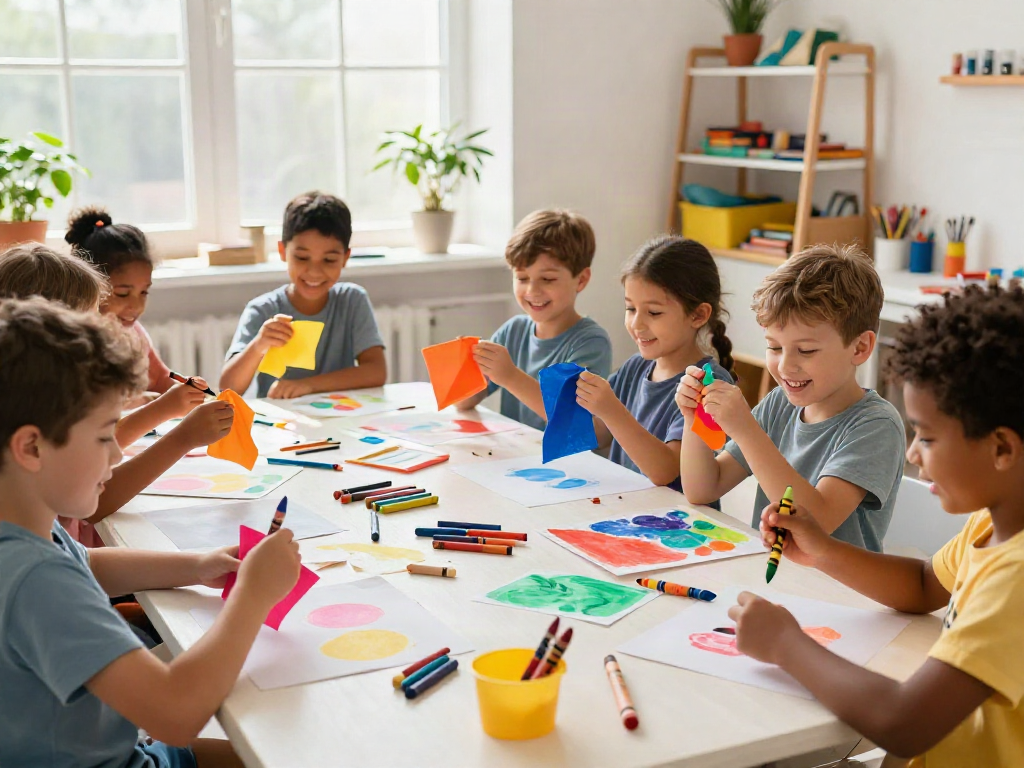
Understanding the Crayon Manufacturing Process
The journey of crayon manufacturing is a fascinating blend of artistry and engineering. As one of the leading crayon manufacturer, it’s essential to comprehend the various stages involved in producing these colorful tools of creativity. From the initial design conception to the final packaging, understanding this process is crucial for any business looking to enter or expand in the crayon market.
Types of Crayons and Their Unique Qualities
Crayons come in several types, each tailored for different artistic expressions and uses. The primary categories include:
- Wax Crayons: These are the most common and economical options, perfect for children and schools due to their affordability and ease of use.
- Plastic Crayons: Known for their vibrant colors and ability to be molded into various shapes, these crayons are particularly popular for creative projects.
- Fabric Crayons: Designed specifically for coloring on textiles, these crayons allow for designs that are washable without fading, making them ideal for custom fabric art.
- Beeswax Crayons: These environmentally friendly options are made from natural beeswax and are favored by parents looking for non-toxic art supplies for their children.
Raw Materials and Sustainability Practices
In the quest for sustainability, many crayon manufacturers are shifting towards eco-friendly raw materials. The selection of non-toxic ingredients not only ensures the safety of young artists but also addresses growing consumer demands for greener products. Using organic waxes, natural pigments, and recyclable packaging can significantly enhance a brand's appeal in today's environmentally-conscious market.
Quality Control in Crayon Production
Maintaining quality in crayon production is paramount. Rigorous testing for color consistency, durability, and non-toxicity ensures that every batch meets industry standards. Implementing a robust quality control system helps build trust and reliability among consumers, which is essential for long-term success in the crayon market.
Market Trends in the Crayon Industry
The crayon industry is evolving, influenced by changing consumer preferences and technological advancements. Being aware of these trends is vital for manufacturers aiming to stay relevant in this competitive landscape.
Demand for Eco-Friendly Products
With a growing focus on sustainability, there is an increasing demand for eco-friendly crayons. Consumers are opting for products that minimize environmental impact, pushing manufacturers towards more sustainable practices. Brands that highlight their commitment to eco-friendliness are likely to capture the attention of health-conscious parents and eco-aware buyers.
Innovative Crayon Designs and Aesthetic Trends
Beyond functionality, aesthetic appeal has become a significant aspect of crayon design. Crayon manufacturers are exploring unique shapes, colors, and packaging that not only catch the eye but also enrich the user experience. Limited edition collections and collaborations with artists can create buzz and attract collectors.
Impact of Digital Tools on Traditional Crayon Markets
Interestingly, the rise of digital art tools has not detracted from traditional crayon use; rather, it has created a niche for unique offerings. Many artists combine digital techniques with physical mediums, reigniting interest in traditional crayon art. Manufacturers can capitalize on this by marketing crayons as essential tools for hybrid artists.
Effective Marketing Strategies for Crayon Manufacturers
In order to thrive in the competitive landscape of crayon manufacturing, effective marketing strategies are crucial. Here are some approaches that can help brands stand out.
Targeting Education and Art Enthusiasts
Schools and art enthusiasts form a significant part of the crayon market. Building partnerships with educational institutions and engaging in community art programs can create brand loyalty and visibility. Offering bulk discounts or specialized educational packages can also enhance appeal.
Building Brand Loyalty with Unique Offerings
Offering unique products, such as customized crayons or themed collections, can help build brand loyalty. Engaging consumers with limited-time offers or collaborations can create excitement around a brand and drive sales.
Leveraging Social Media for Product Visibility
Social media platforms are invaluable for reaching a wider audience. Sharing user-generated content, tutorials, and creative challenges can foster a community around a brand. Engaging with audiences through contests and interactive campaigns can significantly enhance visibility and customer connection.
Challenges Facing the Crayon Manufacturing Sector
Despite its potential for growth, the crayon manufacturing sector faces several challenges that necessitate strategic awareness and proactive solutions.
Adapting to Regulatory Changes
With increasing scrutiny on product safety and environmental regulations, crayon manufacturers must stay informed and agile. Compliance with both local and international standards can require significant investments in testing and production adjustments.
Managing Production Costs and Supply Chain Issues
Rising costs associated with raw materials and logistics can squeeze margins. Efficient supply chain management and exploring alternative sourcing can help manufacturers mitigate these risks. Emphasizing efficiency in production processes can also contribute to keeping costs down.
Overcoming Competition from Established Brands
The crayon market is populated by several established brands, creating intense competition. New entrants must differentiate themselves through innovation, customer service, and niche focus to capture market share effectively.
Future Directions in Crayon Manufacturing
As the crayon industry evolves, manufacturers must stay ahead of trends to anticipate the future market needs.
Technological Innovations in Production Techniques
Innovations in production techniques can lead to improvements in quality and efficiency. Automation and advanced manufacturing technologies allow for scalable production while maintaining high standards of quality control.
Potential for Global Expansion in Emerging Markets
Emerging markets present significant growth opportunities for crayon manufacturers. By understanding local preferences and adapting products to meet diverse cultural needs, brands can tap into previously underserved markets.
Insights from Industry Leaders on the Future of Crayons
Industry leaders often emphasize the importance of balancing tradition with innovation. As trends continue to shift, listening to consumer feedback and adapting offerings to meet evolving needs will be key to sustaining success.
What Are the Most Popular Crayon Brands?
Some of the most recognized crayon brands include Crayola, Faber-Castell, and Prismacolor. Each brand leverages its unique strengths to cater to different segments of the market.
How Do I Choose the Right Crayon Manufacturer?
When selecting a crayon manufacturer, consider aspects such as product variety, sustainability practices, quality control measures, and market reputation. Visiting manufacturing facilities and obtaining samples can also provide insight into the quality of their products.
Where Are Crayola Crayons Made?
Crayola crayons are manufactured in the United States, primarily in Easton, Pennsylvania, where the company was founded. Their commitment to quality and innovation has made them a household name.
What Types of Crayons Are Best for Children?
For children, wax crayons are typically the most recommended due to their durability and ease of use. However, fabric crayons are excellent for crafty projects, allowing children to express their creativity on various textiles.
How Can Crayon Manufacturers Implement Sustainable Practices?
Implementing sustainable practices can involve sourcing eco-friendly materials, reducing waste in production, and utilizing recyclable packaging. Educating consumers on how these practices make their products safer and better for the environment can enhance brand loyalty.