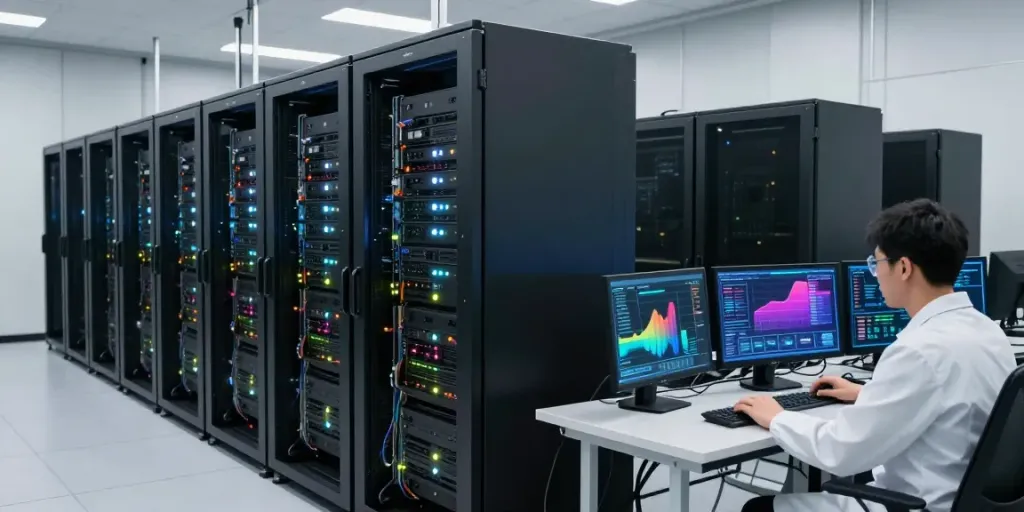
Understanding AI Infrastructure Basics
As organizations increasingly rely on artificial intelligence (AI) to drive innovation and efficiency, understanding the underlying AI infrastructure has become imperative. AI infrastructure serves as the backbone for deploying, managing, and scaling AI applications efficiently. This framework includes hardware, software, and a network of resources that collectively facilitate AI operations. When exploring options, AI infrastructure is essential for businesses aiming to integrate advanced technologies into their operations successfully.
What Constitutes AI Infrastructure?
AI infrastructure encompasses various components that work in tandem to support AI workloads, enabling the execution of complex algorithms and data processing tasks. Key aspects include:
- Hardware: This includes powerful computing resources like GPUs (Graphics Processing Units), TPUs (Tensor Processing Units), and high-performance servers that can handle large-scale data processing.
- Software: AI frameworks such as TensorFlow, PyTorch, and various machine learning platforms that allow developers to build and deploy AI models efficiently.
- Networking: High-speed connectivity is crucial for data transfer between devices, enabling real-time processing and analytics.
- Data Storage: Scalable storage solutions, including cloud-based options, to accommodate growing volumes of data used in training AI models.
Key Components of AI Infrastructure
Understanding the various components of AI infrastructure is vital for organizations looking to optimize their AI workflows. These include:
- Computational Power: Essential for training and running AI models, the right mix of CPUs and GPUs can significantly affect performance.
- Data Management: Effective management of data pipelines ensures that data is clean, accessible, and readily available for analysis.
- Security Measures: With increasing data sensitivity, robust security protocols are necessary to protect both AI models and data.
- Scalability: The ability to scale resources up or down based on demand is crucial for managing costs and performance in real-time.
Importance of AI Infrastructure in Today's Tech Landscape
AI infrastructure is not just a technical necessity; it is a strategic asset that can provide organizations with a competitive edge. In today’s tech landscape, efficient infrastructure enables:
- Faster Innovation: Companies can deploy AI solutions more quickly, adapting to market changes and consumer needs.
- Cost Efficiency: With optimized resource management, businesses can reduce operational costs associated with AI workloads.
- Enhanced Decision-Making: AI infrastructure supports complex data analyses that lead to better-informed business decisions.
Participating in the AI Token Economy
The AI Token Economy is a transformative approach that assigns value to the resources consumed during the development and deployment of AI models. By integrating power utilization with AI operations, individuals and enterprises can actively participate in this evolving ecosystem.
How AI Infrastructure Powers the Token Economy
AI infrastructure plays a pivotal role in the AI token economy by providing the necessary computational resources that facilitate the creation and use of AI tokens. As organizations process data and execute AI models, they consume power measured in tokens, allowing for a transparent and efficient system of resource allocation.
Your Role in Contributing to AI Infrastructure
Individuals and businesses can contribute to AI infrastructure by engaging with platforms that support AI operations. Through well-defined power plans, participants can support the electricity and computing capacity required for AI applications. This engagement allows for measurable contributions that foster accountability and reward systems within the AI ecosystem.
Benefits of Participating in the AI Token Economy
- Financial Incentives: Participants can earn rewards based on their contributions to the AI infrastructure, effectively monetizing their energy consumption.
- Community Building: Joining the AI token economy fosters collaboration among different stakeholders, including power providers, AI developers, and users.
- Access to Advanced Technologies: By participating, individuals and organizations gain early access to pioneering AI developments and tools.
Choosing the Right AI Infrastructure Power Plan
Selecting the appropriate power plan is essential for maximizing contributions to AI infrastructure while ensuring optimal performance and cost-effectiveness.
Overview of Various AI Infrastructure Power Plans
AI infrastructure power plans vary based on the level of support offered and the specific needs of the user. Common categories include:
- Core Power Access: Basic access suitable for small-scale operations or individual users.
- Enhanced Power Access: Designed for medium-scale operations requiring higher computational capacity.
- Advanced Power Access: Tailored for enterprises with extensive AI operations needing maximum power and efficiency.
Calculating Rewards from Your Power Plan
Understanding how rewards are calculated is crucial for participants in the AI token economy. Rewards are generally based on:
- The volume of tokens generated from the power contributed.
- Usage metrics from participating AI applications.
- Operational performance of AI factories linked to the contributed power.
Maximizing Your Contributions in AI Infrastructure
To optimize contributions, participants should:
- Regularly monitor usage metrics and performance reports.
- Adjust power plans based on operational needs and changes in demand.
- Engage with community forums to share insights and strategies.
Managing and Optimizing AI Infrastructure
Effectively managing AI infrastructure is crucial for realizing the full potential of AI applications while minimizing operational challenges.
Best Practices for Scaling AI Infrastructure
Scaling AI infrastructure involves a strategic approach to resource management. Consider the following best practices:
- Assess Infrastructure Needs: Regularly evaluate performance metrics to determine necessary upgrades or adjustments.
- Implement Automation: Leverage automation tools to enhance efficiency in resource allocation and management.
- Invest in Training: Ensure that your team is trained in the latest AI technologies and infrastructure management techniques.
Challenges in AI Infrastructure Management
While managing AI infrastructure, organizations face several challenges:
- Rapid Technological Advancements: Keeping up with new technologies and methodologies can be overwhelming.
- Cost Management: Balancing costs associated with infrastructure and operational efficiency is a continuous challenge.
- Data Security: Protecting sensitive data requires robust security protocols that can adapt to evolving threats.
Future Trends in AI Infrastructure and Scalability
The future of AI infrastructure is shaped by emerging trends such as:
- Increased Use of Edge Computing: Processing data closer to its source to reduce latency and enhance performance.
- Green Computing Initiatives: Emphasizing sustainable practices in AI infrastructure to mitigate environmental impact.
- Integration of AI and IoT: Facilitating better data collection and analysis through interconnected devices.
Real-World Applications and Case Studies
Exploring real-world implementations of AI infrastructure offers valuable insights into its effectiveness and potential applications.
Successful Implementations of AI Infrastructure
Organizations across various industries have successfully leveraged AI infrastructure to enhance their operations. For example, a leading healthcare provider implemented AI-driven diagnostic tools that improved patient outcomes by utilizing advanced AI models supported by a robust infrastructure.
Measurable Outcomes from AI Infrastructure Investments
Investments in AI infrastructure yield measurable outcomes, including:
- Higher Operational Efficiency: Streamlined processes that reduce time-to-market for AI solutions.
- Improved Customer Satisfaction: Enhanced services that cater to customer needs effectively and swiftly.
- Increased Revenue Streams: New monetization opportunities through AI-driven services and applications.
Insights from Industry Leaders on AI Infrastructure
Industry leaders emphasize the importance of robust AI infrastructure. For instance, a senior executive at a major tech firm highlighted that investing in the right infrastructure is not only about performance but about enabling future innovations that can shape entire industries.
What is AI infrastructure?
AI infrastructure serves as the foundational technology stack necessary for building, deploying, and managing AI-powered applications. It includes a combination of hardware, software, and data management systems tailored for AI tasks.
How does an AI infrastructure power plan work?
An AI infrastructure power plan allows participants to contribute to the electricity and computing resources needed for AI applications. Participants can select plans based on their needs and receive rewards based on their contribution to AI operations.
Who can benefit from participating in the AI Token Economy?
Individuals, organizations, and enterprises that utilize AI applications can benefit from participating in the AI token economy. This participation not only allows for shared resources but also creates revenue opportunities through AI-driven services.
What are the expected rewards for AI infrastructure contributions?
Rewards for contributions are calculated based on actual operational performance and the amount of power supported during specific periods. Participants can expect monetary rewards and the opportunity to access advanced AI resources.
How can organizations effectively optimize their AI infrastructure?
Organizations can optimize AI infrastructure by adopting best practices such as regular performance assessments, investing in training for their teams, and implementing automation strategies to enhance efficiency and reduce costs.