Understanding Mini Split Air Conditioners
As temperatures rise, ensuring your home remains comfortable becomes a priority. Mini split air conditioners have emerged as a popular solution for maintaining ideal indoor climates, thanks to their unique design and functionality. Unlike traditional HVAC systems, these compact units offer both heating and cooling options without requiring ductwork. This article delves into the nitty-gritty of mini split air conditioners, helping you make informed decisions—after all, choosing the right system is essential for energy efficiency and comfort. When exploring options, mini split of air conditioner provides comprehensive insights into today's market.
What is a Mini Split Air Conditioner?
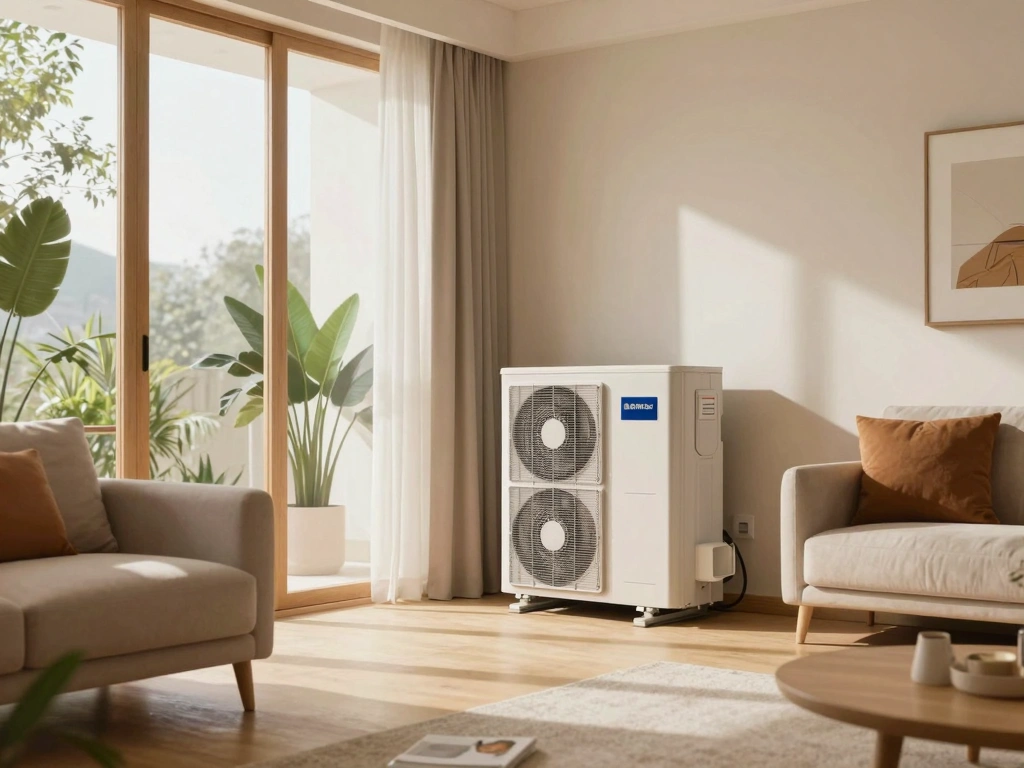
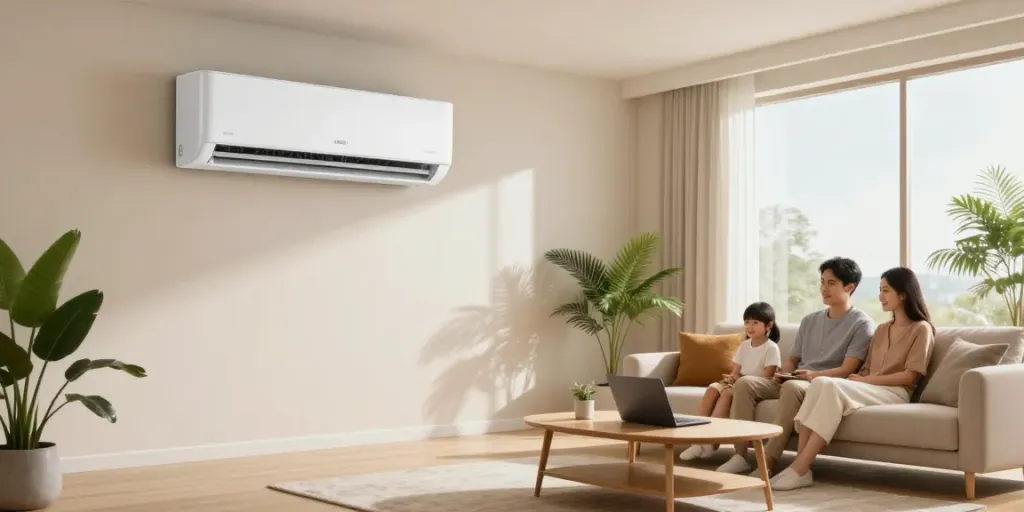
A mini split air conditioner is a type of ductless HVAC system designed to efficiently cool or heat individual rooms or zones in a home. It consists of two main components: an indoor unit that houses the evaporator, and an outdoor unit that contains the compressor and condenser. This split system configuration allows for flexible installation, making mini splits ideal for various living spaces—from small apartments to large homes.
How Mini Split Systems Work
Mini split systems operate through a basic principle of heat transfer. The indoor unit absorbs heat from the room air, cooling it, while the outdoor unit releases this heat into the atmosphere. This process can be reversed during the heating season, allowing the system to provide warmth by extracting heat from outside air and bringing it indoors. The absence of ductwork not only simplifies installation but also increases energy efficiency, as there are no losses associated with long duct runs.
Benefits Over Traditional Cooling Systems
- Energy Efficiency: Mini splits typically use less energy than traditional central air conditioning systems, translating to lower utility bills.
- Zone Control: Each indoor unit can be controlled independently, allowing for tailored comfort in different rooms.
- Space-Saving Design: The compact size of mini split systems allows for installation in tight spaces where conventional units might not fit.
- Reduced Noise Levels: With the compressor located outside, indoor units operate quietly, making them suitable for bedrooms and offices.
Choosing the Right Mini Split Air Conditioner
Finding the right mini split air conditioner involves several considerations. You need to weigh factors such as room size, insulation, and climate. The variety of models available across different brands can make selection overwhelming, but understanding key features can simplify this process.
Factors to Consider When Selecting a Model
- BTU Rating: Ensure that the unit's BTU rating matches the size of the room where it will be installed.
- Energy Efficiency Ratio (EER): Look for higher EER ratings to guarantee superior energy performance.
- Heating Capability: If you want year-round comfort, choose a model that offers both cooling and heating functions.
- Noise Levels: Check decibel ratings, especially for bedroom installations, to maintain a peaceful atmosphere.
Energy Efficiency Ratings Explained
Energy efficiency ratings are crucial when evaluating mini split air conditioners. Look for the SEER (Seasonal Energy Efficiency Ratio) for cooling performance and HSPF (Heating Season Performance Factor) for heating. The higher these ratings, the more efficient the unit is, which not only impacts your carbon footprint but also your energy bills in the long run.
Top Brands and Models for 2026
As the market for mini split air conditioners expands, several brands have distinguished themselves by offering high-quality, reliable products. Notable brands for 2026 include:
- MRCOOL: Known for its DIY models, MRCOOL allows homeowners to easily install their units.
- Senville: Senville's ductless systems are praised for their affordability and efficiency.
- Fujitsu: With a reputation for durability, Fujitsu provides advanced features in its premium units.
- Mitsubishi Electric: This brand is recognized for high-performance air conditioning systems that excel in energy efficiency.
Common Challenges with Mini Split Systems
While mini split systems offer many advantages, they are not without potential challenges. Understanding these can help in troubleshooting and maintenance, ensuring longevity and optimal performance.
Installation Tips and Best Practices
Proper installation is key to efficient operation. It’s advisable to follow manufacturer guidelines strictly or hire a professional. Important tips include ensuring the outdoor unit is placed in a shaded area to maximize efficiency, and keeping the indoor unit clear of obstructions to optimize airflow.
Potential Downsides to Consider
- Initial Cost: The upfront investment can be higher than traditional systems, although the long-term savings often justify this expense.
- Outdoor Unit Placement: Consideration for noise and aesthetics is important when finding a location for the outdoor unit.
- Maintenance Needs: Regular cleaning and servicing are essential to prevent performance issues and extend the system's lifespan.
Maintenance and Troubleshooting Guidelines
Routine maintenance includes cleaning filters, checking refrigerant levels, and inspecting ducts for leaks. Homeowners should also schedule annual professional check-ups to ensure everything is functioning optimally. Troubleshooting common issues like uneven cooling or strange noises can often be achieved by simple adjustments or cleaning.
Future Trends in Mini Split Air Conditioning
The HVAC industry is evolving, and mini split air conditioners are at the forefront of innovation. As technology progresses, staying informed about these trends becomes crucial for homeowners.
Technological Innovations Shaping 2026
In 2026, expect to see advancements such as variable refrigerant flow (VRF) technology, which allows for greater efficiency and flexibility in zoning. Additionally, enhanced control systems that integrate with smart devices will be commonplace, offering users convenience and precision in managing their home's temperature.
Integrating Smart Home Technology
Integration with smart home systems will revolutionize how homeowners interact with their mini split systems. From remote temperature adjustments to scheduling, these advancements will enhance energy saving and convenience.
Environmental Impact and Sustainability Moves
With growing concerns about climate change, manufacturers are focusing on eco-friendly refrigerants and energy-efficient designs. Expect to see more mini splits designed for reduced environmental impact, offering sustainable solutions without compromising effectiveness.
Maximizing Comfort with Mini Splits
To fully benefit from a mini split air conditioner, homeowners must implement strategies that optimize their use. This involves understanding how to effectively manage temperature in different zones of your home.
Zone Cooling: How to Optimize Your Home’s Layout
Zone cooling allows targeted temperature control, crucial for maintaining comfort in larger homes. By using multiple indoor units, you can cool or heat only occupied spaces, which minimizes energy waste and enhances comfort levels.
Seasonal Adjustments for Efficient Operation
Adjust settings before seasonal transitions to optimize performance. For instance, set your system to a higher temperature during summer when you’re away, and let the cooling system kick in before you return.
Comparative Cost Analysis: Mini Splits vs. Central Air
While the initial cost of mini split systems may be higher than central air systems, their long-term energy efficiency and lower running costs often lead to significant savings. Conducting a comparative cost analysis will help you appreciate the value of investing in a mini split system over time.
What are the downsides of a mini-split AC system?
While mini splits are efficient and versatile, potential downsides include higher initial costs, maintenance needs, and aesthetic concerns regarding the placement of indoor units. Addressing these factors early ensures that you can fully enjoy the benefits of your system.
Why is my electric bill so high with mini split?
High electricity bills with a mini split system can result from various factors, including poor insulation, frequent use of high settings, or improper sizing of the unit. Regular maintenance and adjustments can help mitigate these costs.
What is the typical cost of installing a mini split system?
The installation cost of a mini split system varies widely, generally ranging from $2,000 to $5,000 depending on the number of zones, complexity of the installation, and local labor costs.
Are mini-splits good for air conditioning?
Yes, mini splits are considered an excellent option for air conditioning due to their efficiency, flexibility, and ability to provide zoned comfort, making them suitable for a variety of home styles and layouts.