The Comprehensive Overview of TradingView
In the fast-paced world of trading, having the right tools can significantly enhance your ability to make informed decisions. TradingView stands out as a powerful platform that condenses complex market trends into a user-friendly interface. It offers traders—from novices to seasoned professionals—a comprehensive suite for analyzing markets, including stocks, forex, cryptocurrencies, and derivatives. This article will explore how TradingView works, its key features, and how you can maximize your trading strategies using this versatile tool.
What is TradingView and How Does It Work?
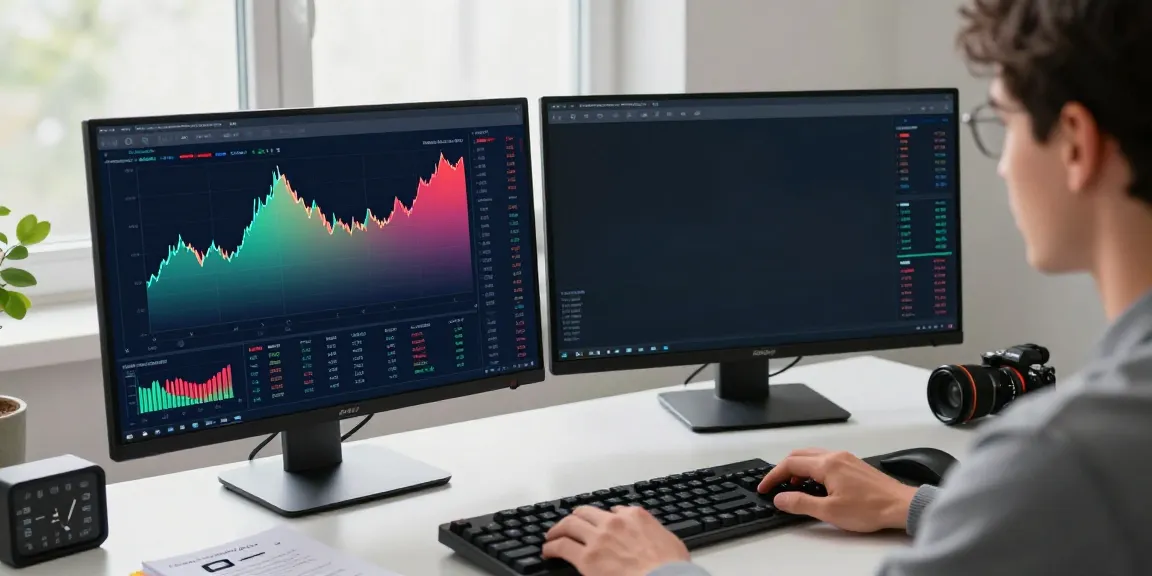
TradingView is an interactive platform designed for traders who want to track the financial markets using advanced charting tools. It allows users to create dynamic charts through a variety of technical analysis features and indicators, which can be customized to suit individual trading styles. The platform serves as a social network, enabling traders to share insights, ideas, and strategies with peers around the globe.
The functionality of TradingView includes real-time market data, price alerts, and strategy testing capabilities. Users can easily switch between different asset classes with just a few clicks, allowing for efficient multi-market analyses.
The Key Features of TradingView
- Supercharts: A versatile charting tool that enables users to visualize data across multiple timeframes.
- Custom Indicators: Traders can create their own indicators using Pine Script, TradingView's proprietary scripting language.
- Backtesting Capabilities: The Strategy Tester allows users to validate their trading strategies against historical data.
- Community Features: Users can engage with a vibrant community of traders, sharing insights and benefiting from the collective knowledge.
- Alert Systems: Real-time notifications via email or app when specific market conditions are met, such as breakouts or indicator signals.
Target Audience and User Intent
The target audience for TradingView encompasses a wide range of traders—from retail investors to institutional traders. With a varying degree of expertise, these users seek a platform that can cater to their specific needs, whether it be simple charting, deep analysis, or even automated trading. The intent behind using TradingView typically revolves around gaining an edge in market analysis and execution, leveraging community insights, and continuously optimizing trading strategies.
Maximizing Your Trading Strategies with TradingView
To make the most out of TradingView, traders must know how to navigate its features effectively. This section will delve into practical tips for optimizing your trading strategies through the platform's offerings.
How to Utilize Supercharts Effectively
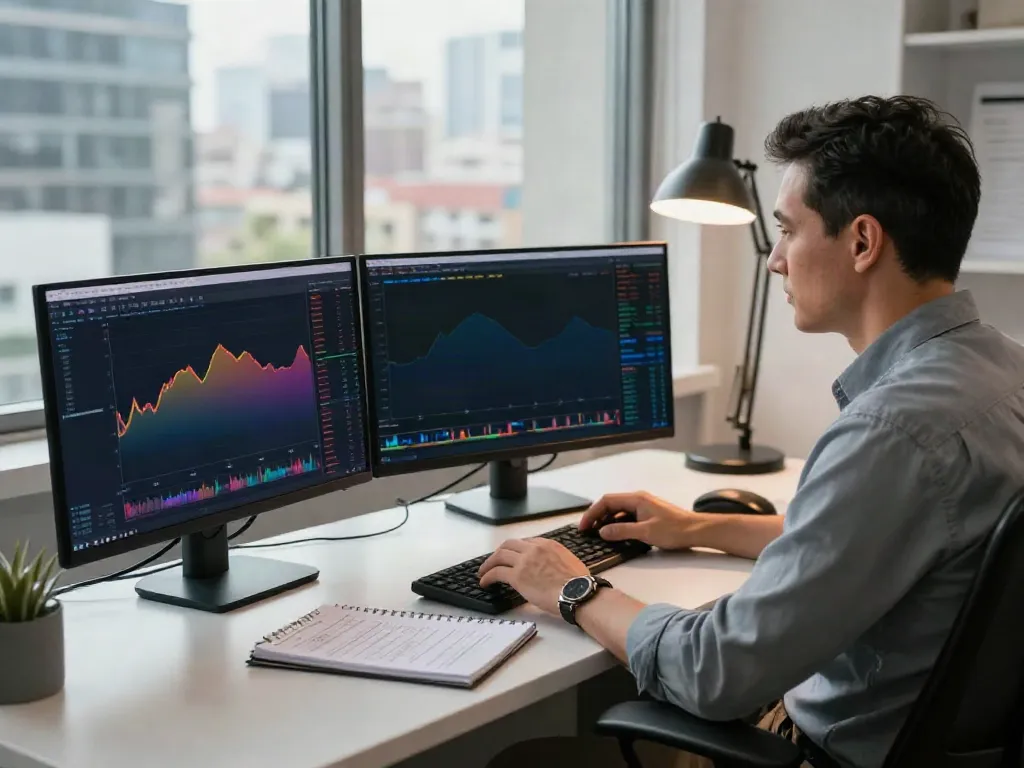
Supercharts are one of the standout features of TradingView, allowing traders to view multiple assets and indicators simultaneously. By utilizing Supercharts, users can compare performance, identify correlations, and make informed decisions based on visual data rather than rely solely on instinct. To maximize effectiveness, consider layering key indicators such as moving averages or RSI (Relative Strength Index) on your charts for actionable insights.
Setting Up Alerts for Optimal Trading
Alerts are a game-changer in trading, particularly for those who cannot monitor the markets around the clock. By setting up alerts for significant price levels, trend changes, or specific indicator signals, traders can react promptly to market movements without constant oversight. This proactive approach not only saves time but also reduces the emotional strain associated with trading.
Strategies for Backtesting with the Strategy Tester
Thorough backtesting is essential for traders looking to validate their strategies before entering the live market. TradingView's Strategy Tester allows users to conduct comprehensive tests on their setups using historical data. By analyzing performance metrics such as win rates, drawdowns, and profit factors, traders can refine their strategies and ensure they align with their risk tolerance and trading goals.
Common Challenges Traders Face with TradingView
Despite its numerous advantages, users can encounter challenges when using TradingView. Understanding these hurdles is crucial for optimizing the trading experience.
Understanding the Complexity of Market Analysis
Market analysis can be overwhelming due to the vast amount of data and trends available for traders. Many users struggle to interpret complex patterns or integrate multiple indicators efficiently. Utilizing the community features of TradingView can help alleviate these challenges by providing a platform for discussion and shared learning.
Mistakes to Avoid When Using TradingView
Many traders fall into common traps, such as overcomplicating their analysis or neglecting to backtest their strategies. It's essential to maintain a disciplined approach, set realistic targets, and focus on continuous improvement to avoid costly mistakes.
Addressing Frequent User Queries about TradingView
New users often have similar questions regarding the functionalities and reliability of TradingView. Common queries include whether the platform is free, the reliability of its data, and comparisons with alternative trading software. Through exploration and engagement within the TradingView community, most users find the platform provides valuable tools and insights.
Real-World Applications and Success Stories
TradingView has been instrumental in the success of countless traders. By examining practical applications of the platform, users can glean valuable insights to enhance their trading practices.
Case Studies of Successful Traders Using TradingView
Many successful traders attribute part of their achievements to TradingView. For instance, traders who use community insights often discover profitable setups they might have overlooked. By connecting with others, sharing analyses, and receiving feedback, these individuals can refine their strategies and improve their outcomes.
TradingView in Action: Community Insights
The emphasis on community within TradingView cannot be overstated. Users frequently participate in discussions, share their trading ideas, and even collaborate on crafting strategies. Feedback from peers can lead to significant breakthroughs, and many users find themselves constantly learning and evolving their trading methodologies.
How Traders Iterate Their Strategies Using TradingView
Continuous iteration is key in refining trading strategies. Traders use the platform's backtesting capabilities to tweak their approaches based on historical performance. By maintaining a diary of trade outcomes and analyzing community feedback, users can effectively adapt their strategies for future scenarios.
Looking Ahead: Future Trends in TradingView for 2026
The trading landscape is continually evolving, and TradingView is poised to adjust to these changes. As we look toward 2026, several trends are likely to shape the platform and user experience.
Emerging Features on TradingView
With technology advancing rapidly, TradingView is expected to introduce new features, such as enhanced machine learning capabilities for predictive analytics and more robust integration with third-party tools. These innovations will provide traders with greater insights and more efficient workflows.
Anticipating Market Changes and Trading Adaptations
As global markets undergo shifts—whether due to economic changes, technological advancements, or regulatory adjustments—traders will need to adapt accordingly. TradingView's flexibility will allow users to pivot their strategies to align with emerging trends, such as increased algorithmic trading and the rise of decentralized finance (DeFi).
Preparing for the Future of Trading with TradingView
Preparation is key to successful trading. By leveraging TradingView’s extensive tools and engaging with its community, traders can equip themselves to navigate future market challenges confidently. Staying updated with platform developments and market trends is essential to thrive in the evolving trading landscape.
Is TradingView Worth the Investment?
Many traders grapple with whether the investment in TradingView is justifiable. Given its robust features and the potential for enhanced trading performance, many users feel that the benefits far outweigh the costs, particularly in terms of time saved and the quality of analyses produced.
Can You Trust TradingView for Accurate Data?
Trusting the data provided by TradingView is critical for traders. The platform sources its data from reputable exchanges and financial institutions, making it a reliable choice for most market analyses.
What Alternatives Are Available to TradingView?
While TradingView is a leading platform, other alternatives exist, such as MetaTrader, Thinkorswim, and NinjaTrader. Each alternative has its unique features, but few can match the community and interactivity offered by TradingView.